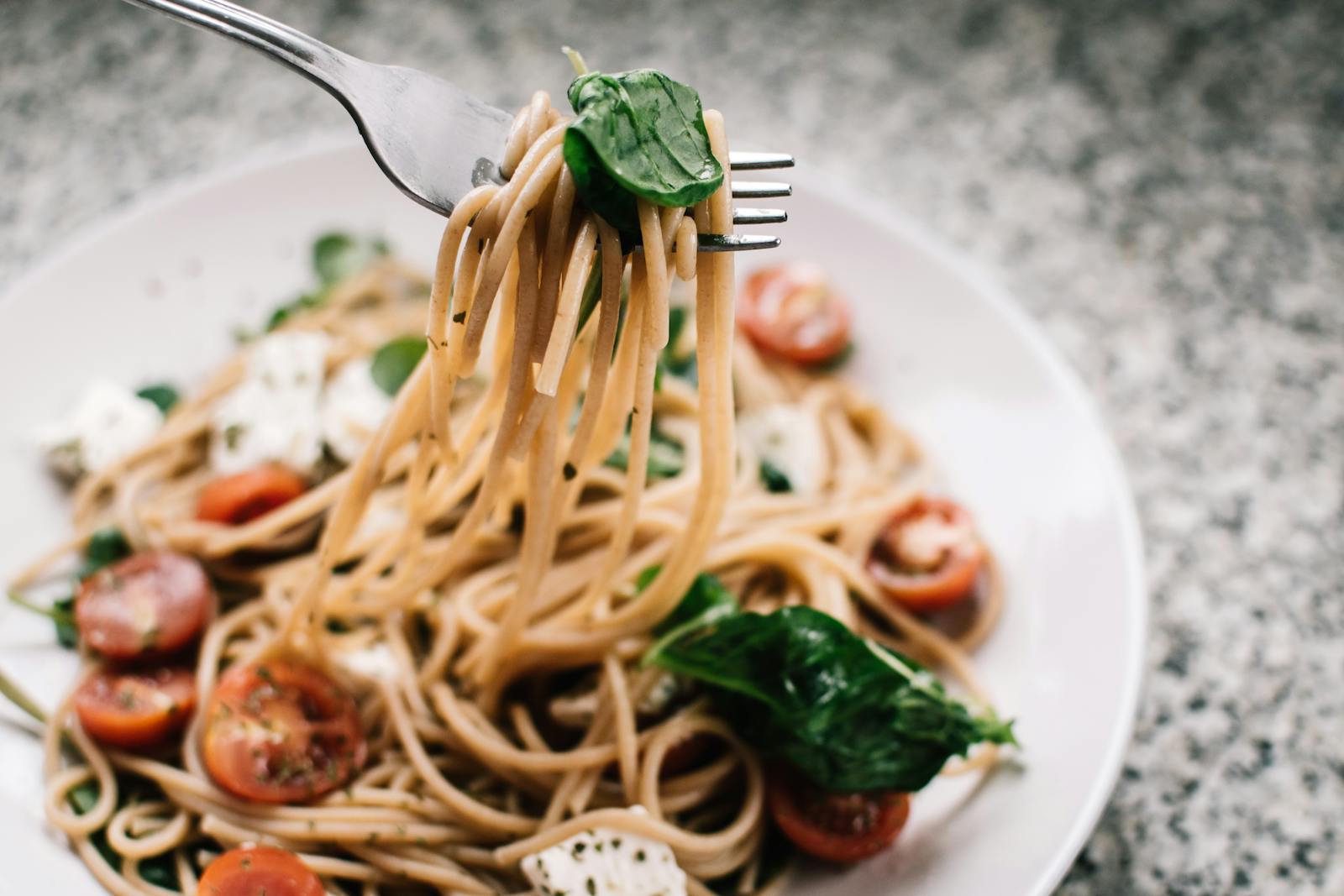
You're Probably Salting Pasta Wrong — Here's the Fix
Most home cooks salt pasta water wrong — too little, too late, or not at all. Here's the science-backed fix that changes everything.
Key Takeaways
- Pasta water should taste like mild sea water — most home cooks use a fraction of the salt needed.
- Salt must go in AFTER the water boils, not before — timing changes the result.
- The pasta-to-water ratio matters as much as the salt ratio for even seasoning.
- Rinsing pasta after cooking washes away the starch that holds sauce to the noodle.
- Reserved pasta water is liquid gold — one ladle can save a broken or too-thick sauce.
- Fixing your salting technique is the single fastest upgrade you can make to weeknight cooking.
Here it is, straight up: your pasta water probably tastes like nothing. And that’s the problem. Properly salted pasta water should taste pleasantly salty — not like the ocean, but close enough that you’d notice if you sipped it. Most home cooks add a shy pinch and call it a day. The result? Pasta that tastes flat no matter how good the sauce is, because seasoning from the outside in never works as well as seasoning from within.
This isn’t about being a perfectionist. It’s about understanding one simple technique that professional chefs treat as non-negotiable — and that makes every pasta dish you cook noticeably better, starting tonight.
The Most Common Salting Mistakes (And Why They Happen)
Before we get to the fix, it helps to know exactly where things go wrong. These are the four mistakes that appear in kitchens everywhere — from student flats to dinner party tables.
Mistake 1: Using Too Little Salt
A six-litre pot of water needs around 10–12 grams of salt (roughly two generous teaspoons) to season pasta properly. Most people add one small pinch and assume that’s enough.
Salt doesn’t just flavour the water — it penetrates the pasta as it cooks. Under-salted water produces under-seasoned pasta at a structural level, no matter how much you salt the sauce afterwards.
Mistake 2: Adding Salt to Cold Water
Salt added to cold water takes longer to dissolve and can pit certain types of pot surfaces over time. More importantly, it delays boiling slightly — a minor issue, but a habit worth breaking.
The correct moment is right when the water reaches a rolling boil. Drop the salt in, stir once, wait 20 seconds, then add the pasta. The water will bubble up briefly — that’s normal.
Mistake 3: Using the Wrong Type of Salt
Table salt (fine iodised salt) works, but its fine crystals make it easy to over-season accidentally. Fine sea salt or kosher salt give you better control because the larger crystals dissolve more slowly and are easier to measure by feel.
Avoid iodised salt if you can — iodine can impart a faint metallic taste to pasta water at high concentrations, which is rarely noticeable in food but worth knowing.
Mistake 4: Rinsing the Pasta After Cooking
This one surprises people. Rinsing pasta under cold water removes the surface starch that acts as glue between the noodle and your sauce. The result is a slippery pasta that sauce slides right off of.
The only time rinsing is acceptable is for cold pasta salads, where you actually want to stop the cooking and prevent clumping. For any hot dish, drain and toss immediately.
Before you drain the pasta, scoop out at least one full mug of pasta water and set it aside. This starchy, salty liquid is the secret weapon of every Italian grandmother — add a splash to your sauce to loosen it, emulsify it, or rescue it if it seizes up.
The Correct Method — Step by Step
1Use a Large Pot and Plenty of Water
For 100g of dry pasta (one standard serving), use at least 1 litre of water. For a 400g family portion, use 4–5 litres. Crowded pasta cooks unevenly and sticks together — it needs room to move.
2Bring the Water to a Full Rolling Boil First
Wait for a proper boil before adding anything. A gentle simmer is not enough — pasta needs agitated, hot water from the moment it hits the pot to cook evenly and prevent sticking.
3Salt Generously — Then Taste
Add 10–12g of sea salt per litre of water (roughly 1.5–2 teaspoons). Stir it in, then actually taste the water. It should have a clear, pleasant saltiness — not painfully salty, but noticeably seasoned. Adjust from there.
If tasting boiling water sounds dangerous, use a spoon to scoop a small amount and let it cool for 10 seconds first.
- Target taste: mild sea water
- Target ratio: ~10g salt per litre of water
- Adjust to taste — every salt brand differs slightly
4Add Pasta and Stir in the First 60 Seconds
Drop pasta in all at once and stir immediately. The first minute is when pasta is most likely to clump and stick to the pot. Stir every 30 seconds for the first minute, then occasionally after that.
5Cook to Al Dente — 1–2 Minutes Less Than the Box Says
Package instructions are for fully cooked pasta. If you’re finishing the pasta in the sauce (which you should be), pull it out 1–2 minutes early and let it finish cooking in the pan with the sauce. It will absorb flavour and the starch will help thicken the sauce naturally.
Why Salt Transforms Pasta at a Molecular Level
It’s not magic — it’s osmosis. When pasta hits salted water, salt ions begin to penetrate the outer surface of the noodle as it softens. This seasons the pasta from the inside out, which is fundamentally different from sprinkling salt on top of a finished dish. The result is a depth of flavour that no amount of post-cooking seasoning can replicate.
Salt also plays a structural role: it slightly strengthens the gluten network inside the pasta, which gives properly salted pasta a more satisfying bite — that classic al dente texture. Under-salted pasta tends to feel softer and more one-dimensional in texture, even at the same cook time.
“Pasta water should taste like the sea — not Blackpool beach, but the Mediterranean on a good day.” — a phrase heard in every professional kitchen, and for good reason.
What to Do With Your Pasta Water (Seriously, Don't Throw It Away)
Reserved pasta water is one of the most underused ingredients in home cooking. The starch released by the pasta during cooking turns the water cloudy — and that starch is what makes it so valuable.
- Thin a sauce that’s too thick — add pasta water a splash at a time until you reach the right consistency.
- Emulsify butter or olive oil into a sauce — pasta water helps fat and water combine into a silky, cohesive sauce (essential for cacio e pepe and carbonara).
- Rescue a broken sauce — if your sauce has split, a ladle of starchy pasta water and vigorous stirring will often bring it back together.
- Add seasoning without adding more salt — pasta water is already salted, so it seasons your sauce as it thickens it.
Don’t save pasta water in the pot after draining — it cools quickly and the starch settles. Scoop it out before you drain, into a heatproof mug or bowl. One minute of forethought, endless uses.
Ready to put your new pasta skills to the test against friends? Host a pasta cook-off on Dine With Me and see who really rules the kitchen.
Browse Cooking CompetitionsHow Much Salt Is Too Much — A Health Note
The immediate worry most people have: “Won’t I be eating too much sodium?” The answer is no — and here’s why. Pasta absorbs only a fraction of the salt in the cooking water. Of the 10–12g added to a litre of water, the pasta itself absorbs roughly 1–2g across a full 400g portion. That’s well within normal daily sodium intake when balanced against the rest of your meal.
The majority of the salt stays in the water you pour down the drain. You’re seasoning the cooking environment — not dumping salt directly into the food. Professional chefs have been using this ratio for decades, and it’s backed by food science, not guesswork.
Turn It Into a Challenge: Pasta Cook-Off at Home
One of the most entertaining ways to prove this technique to sceptical friends or family is a blind taste test. Cook the same pasta twice — one pot with the correct salt ratio, one with the typical pinch — and serve them side by side without telling anyone which is which. The difference is immediately, unmistakably obvious. No culinary training required to notice it.
This is also the premise behind the kind of cooking competitions that make for a genuinely brilliant evening. On Dine With Me, home cooks host competitive cook-offs around exactly these kinds of fundamental technique challenges — carbonara, cacio e pepe, ragu — where the difference between a good cook and a great one often comes down to this one step: salting the water properly.
If you’ve ever wanted to host your own pasta battle at home — picking the dish, setting the rules, judging the results — the platform makes it surprisingly easy to set one up, even if you’ve never hosted a competition before.
Want to learn from a chef who’s cooked pasta professionally? Find a private chef near you and book a hands-on pasta lesson.
Find a Private ChefThe Fix, Summarised
Salting pasta correctly isn’t complicated once you know the rule: boil first, salt generously, then taste. Ten grams of sea salt per litre of water, added at a rolling boil, and tasted before the pasta goes in. That’s it. One habit, repeated every time, and your pasta will taste categorically better — even with the simplest sauces.
It’s one of those rare cooking upgrades that costs nothing, takes no extra time, and has an immediate, noticeable impact. Master this, and you’ve already solved one of the most common reasons home-cooked pasta disappoints. Everything else — the sauce, the technique, the timing — builds on this foundation.
So the next time you stand over a boiling pot, be generous with the salt. Taste the water. Adjust. Then add the pasta and cook it properly. Your dinner guests will notice the difference, even if they can’t explain why.
Related Articles
Can You Eat Like Elvis? The King's Favourite Foods — and the Dinner Party Menu Nobody Expected
Elvis Presley's real diet was stranger and more delicious than any legend. Discover his favourite foods and host a tribute dinner party nobody will forget.
RECIPESYou're Probably Salting Pasta Wrong — The 3-Step Fix That Changes Everything
Most home cooks undersalt pasta water — or salt it at the wrong moment. Here's the quick fix that transforms every bowl.
FOOD CULTUREThe Strange (and Delicious) Things Nigella Lawson Couldn't Live Without — Can You Guess Them All?
From midnight fridge raids to her secret pantry staples, Nigella Lawson's real food obsessions are more surprising than you'd expect.
Stay in the loop!
Get cooking tips, competition updates, and new features delivered to your inbox.
No spam, unsubscribe anytime.